Quick answer: VRV (Variable Refrigerant Volume) is a ductless, refrigerant-based air conditioning system that sends refrigerant from one outdoor condenser to multiple indoor units, each controlled independently. It varies refrigerant flow to match the exact demand of every zone, so you heat or cool only the rooms in use. VRV and VRF describe the same technology: VRV is Daikin’s trademark, while other manufacturers call it VRF (Variable Refrigerant Flow).
Why You’re Asking: The Pain Point Behind VRV Systems
You’re shopping for air conditioning and hear the term “VRV” thrown around. It sounds technical. It feels important. But what does it actually mean for your home or business?
Most people realize too late that they don’t fully understand their AC options. You compare equipment specs, ask contractors different questions, and still walk away confused. This knowledge gap can cost you tens of thousands in wrong decisions.
VRV—Variable Refrigerant Volume—is one of those terms that separates informed buyers from the rest. Understanding it puts you in control.
How VRV Works: The Technical Foundation
VRV is a refrigerant-based air conditioning system. Unlike traditional split systems, VRV sends liquid refrigerant directly to multiple indoor units from a single outdoor condenser. Each indoor unit operates independently.
Here’s what makes it different: Traditional systems pump refrigerant at full capacity, no matter the actual cooling demand. VRV systems vary the refrigerant flow based on real-time need. Hot room? More refrigerant flows. Cooler room? Less flows. This is why it’s called “Variable.” The system adjusts to actual conditions instead of running at fixed output.
Daikin pioneered VRV technology in 1982. Today it’s the standard in commercial HVAC and gaining adoption in high-end residential systems.
VRV Advantages: Why Contractors Recommend It
Energy efficiency is the headline benefit. VRV systems use 30–40% less energy than traditional systems because they don’t waste power on unnecessary cooling. Over a decade, that savings is real money.
Multi-zone capability means each room has its own thermostat. Bedrooms, offices, and living spaces run independently. You don’t pay to cool empty rooms.
Installation flexibility matters too. VRV doesn’t need bulky ductwork. Refrigerant lines are thinner, smaller in diameter, and easier to route through existing structures. For retrofits and commercial buildouts, this saves thousands in construction.
Quiet operation. Indoor units whisper. No loud compressor cycling. Commercial buildings and upscale homes choose VRV partly for this reason.
The Reality Check: VRV Limitations and Costs
VRV systems cost more upfront. Equipment and installation run 20–40% higher than traditional split systems. The ROI comes from 15–20 years of lower energy bills.
Repairs require specialized knowledge. Not every HVAC technician is VRV-certified. When problems arise, you may need to call the manufacturer or a specialist. Maintenance costs can spike.
In cold climates, VRV loses efficiency below 15 degrees Fahrenheit. Defrost cycles kick in and consume energy. Traditional heat pumps sometimes outperform VRV in extreme cold.
For small, single-zone applications, VRV is overkill. A simple split system does the job cheaper.
When to Choose VRV: Right-Fit Scenarios
VRV makes sense for multi-unit commercial buildings, luxury residential homes with distinct zones, and retrofit jobs where ductwork isn’t practical. If you have high cooling demand spread across multiple areas, the long-term savings justify the upfront cost.
For a standard single-family home in Southern California with moderate AC needs, a traditional split system or heat pump usually wins on cost.
The decision hinges on three factors: total cooling zones, expected system lifespan, and budget for installation and maintenance.
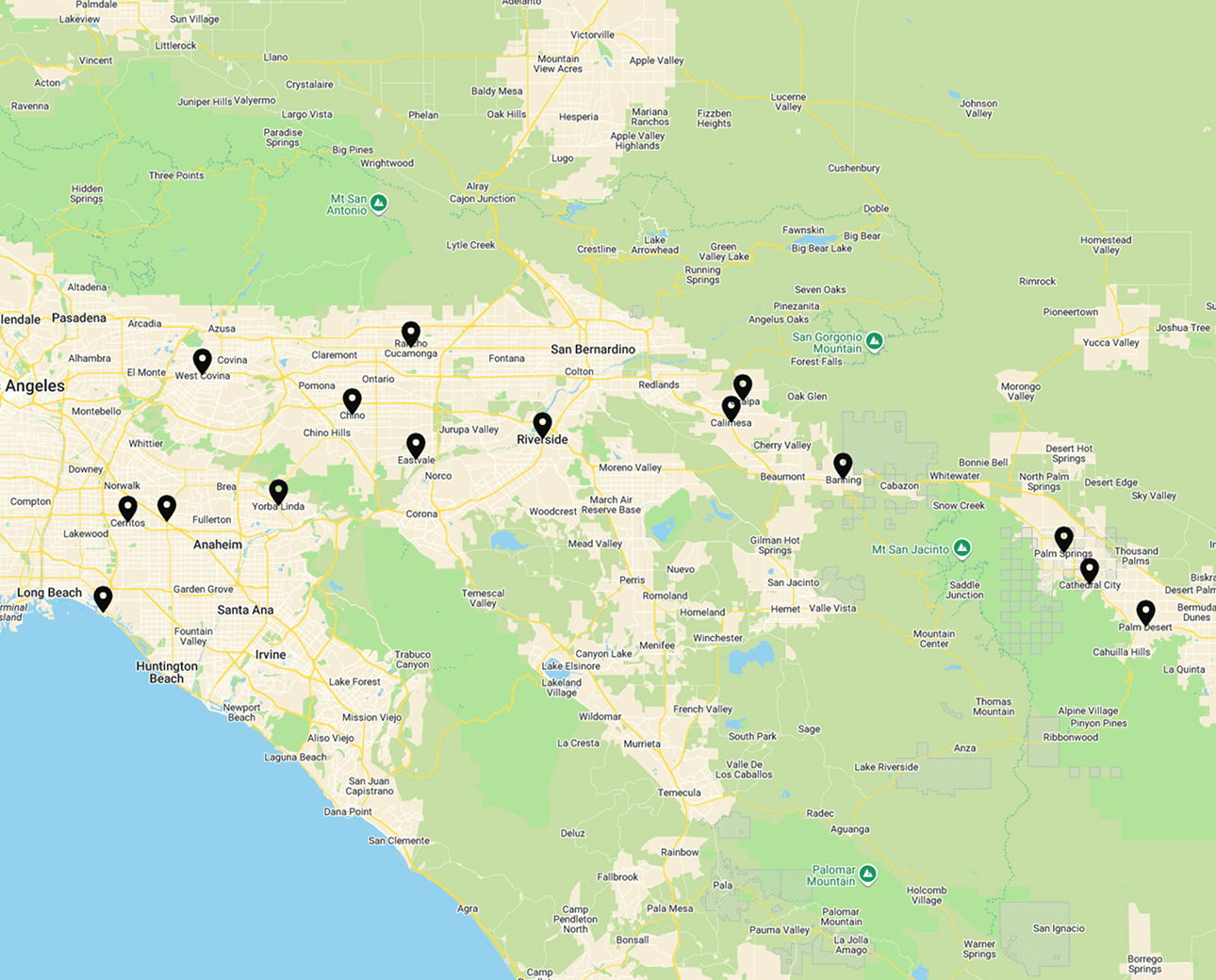
Ready to explore your options? Thomson Air Conditioning specializes in both traditional and VRV systems. Our team evaluates your space and recommends the right fit, not the most expensive option. Learn more about residential HVAC solutions or call us at (562) 373-2386 to discuss your cooling needs. We serve Seal Beach and Huntington Beach.
VRV Air Conditioning: Common Questions
What is the difference between VRV and VRF?
None in practice. Both move a variable volume of refrigerant to independently controlled indoor units. VRV is Daikin’s registered trademark for the technology; every other brand markets the same system as VRF (Variable Refrigerant Flow).
Is a VRV system good for a home?
Yes, especially for larger homes, room additions, and properties without existing ductwork. Because each indoor unit runs independently, VRV zoning lets different rooms hold different temperatures at the same time, which improves comfort and lowers energy waste compared with a single ducted system.
Does VRV provide heating as well as cooling?
Heat-pump VRV systems do both, and heat-recovery VRV can heat some zones while cooling others simultaneously by moving heat between rooms rather than rejecting it outside.
How much does a VRV system cost to install?
It depends on the number of zones, indoor unit types, and your home’s layout. The best way to get an accurate figure is a load calculation and quote. Contact Thomson Air Conditioning & Heating for a system assessment, or explore our air conditioning services in Orange County.
Share:


Ready for Comfort You Can Count On?
Clear. Simple. Honest.
Talk to a real person
No phone trees. Just a friendly team member ready to listen and get you scheduled.
We show up on time
Our techs respect your schedule and your home. You’ll get a call when we’re on the way.
Honest, expert solutions
We explain the issue, lay out your options, and only recommend what you truly need.




What You Can Expect From Thomson
We’ll show you what we found, explain your options in plain English, and get your approval before any work begins.

Clear recommendations
We explain your options and costs upfront, in plain English.

5-year labor warranty
Our labor warranty is 5 years, in writing.
Neighbors who'd call us again
It was time to service the fan blower unit and had a pleasant experience again working with Glenn and his trainee George. I appreciated the time Glenn took to ensure George's work met the expectations that Glenn would have performed the job to. It's not often companies have seasoned experienced employees that can share their knowledge and experience with new staff. I hope Thomson keeps Glenn around for many more years!

Over the years, we've used Thomson to do major HVAC construction, equipment replacement and service. They are always very thorough, knowledgeable, considerate and the prices are fair. They have a lot of experienced technicians on their team and communicating with the office is easy. We get our system serviced every 6 months (very important) and they actually offer a monthly payment plan for that. I didn't take off a star (because they do offer a fantastic service), but it is difficult if something breaks during the weekend. They won't respond until offices open on Monday. But they will get you in as soon as possible and the service is great.
Very honest company and great customer service. It’s been a long time since we had our AC unit inspected and after all these years it’s still good to go and ready for summer! Ethan did a great job answering all my questions. Quick, efficient and very knowledgeable. Thanks Thomson!
Ethan was great and was very helpful in helping me understand the unit. He came out the same day I called and had parts on his truck to make the repairs right then and there. Ethan was very friendly and I would recommend him and Thomson Air Conditioning to anyone in the future.
A new system, on a budget that works


100% financing available
Low monthly payments
Easy application
The Latest

Does Your AC Need a Surge Protector? (Yes — Here’s Why)
Oct 02, 2026

Adding a Second Quilt Head Unit to Your Existing Outdoor Unit
Sep 21, 2026

Why Ductless Mini Splits Are A Smart Choice for Your ADU
Sep 17, 2026

How To Tell if Your SOCAL Home Ductwork Contains Asbestos
Sep 01, 2026

Ductless Mini-Splits For Older Seal Beach Homes Without Adding Ductwork
Aug 11, 2026
A Guide to Air Conditioning Repair in Fountain Valley
Aug 03, 2026
Serving Huntington Beach
And Surrounding Areas