Swamp Cooler Service in Los Angeles
Understanding Swamp Cooler Technology in Southern California
A swamp cooler (evaporative cooler) uses water evaporation to cool air. Fans pull dry air through wet pads. As air passes through, water evaporates and cools the air by 15–25 degrees.
This is fundamentally different from air conditioning, which uses refrigerant and a compressor to remove heat.
In dry climates like Los Angeles, swamp coolers work well. In humid environments, they barely function. Humidity prevents water from evaporating efficiently.
Why Swamp Coolers Make Sense in Southern California
Cost is the primary advantage. Swamp cooler units cost $500–$2,500. Installation runs $300–$1,000. A traditional AC unit costs three times as much.
Operating costs are dramatically lower. Swamp coolers use 50% less electricity than air conditioning. In summer, savings add up quickly.
Maintenance is simple. Clean pads annually, check the pump, and ensure water lines are clear. No refrigerant expertise required.
Air quality improves. Swamp coolers bring in fresh outside air. Unlike AC systems that recirculate indoor air, evaporative coolers constantly exchange it.
The Reality of Swamp Cooler Limitations
They don’t work in humidity. Los Angeles is mostly dry, but coastal areas and late summer can be humid. Swamp coolers fail when humidity rises above 60%.
Cooling power is modest. A swamp cooler cools to 5–15 degrees below outdoor temperature. On a 105 degree day, you might reach 85 degrees indoors. AC can hit 72 degrees.
Water use is substantial. Swamp coolers consume 5–15 gallons of water daily during the cooling season. In drought-prone areas, this matters.
Seasonal operation only. They’re useless in winter. For year-round comfort, you’d need a separate heating system.
When Swamp Coolers Are the Right Choice
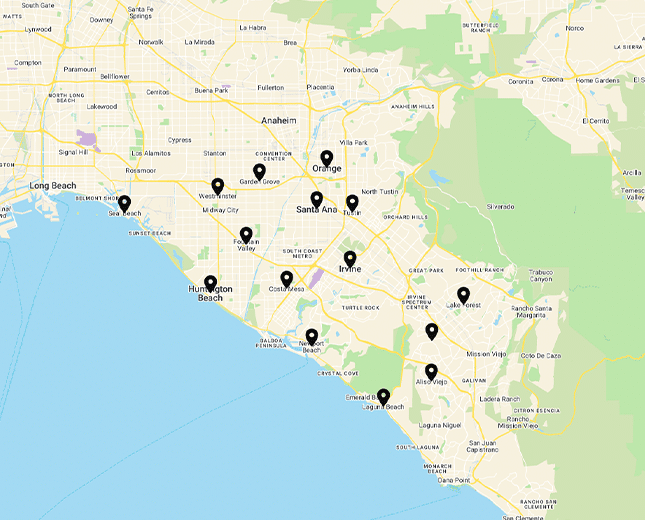
You live in inland Southern California with dry summers (Inland Empire, parts of Orange County). If humidity stays below 40%, a swamp cooler excels.
Your budget is tight and upfront cost matters more than peak performance. You can tolerate 80–85 degrees indoors instead of 72 degrees.
You’re supplementing AC in specific rooms or outdoor spaces. Swamp coolers work well for garages, patios, and commercial warehouses.
Water usage and environmental impact concern you less than operating costs.
Maintaining Your Swamp Cooler for Peak Performance
Seasonal startup. Before summer, inspect the pump, check water lines for leaks, and replace pads if clogged or damaged.
Weekly checks during cooling season. Top off the water tank if needed. Listen for unusual noises. Check for water leaks around the unit.
Pad replacement. Replace cooling pads annually or every 6 months in hard-water areas. Mineral deposits reduce efficiency.
Fall shutdown. Drain the water tank and close vents. Shut down the system to prevent freeze damage and pest intrusion during off-season.
AC vs. Swamp Cooler: Making Your Decision
Choose AC if you live near the coast, experience high humidity, need year-round comfort, or want the coolest possible indoor temperatures.
Choose a swamp cooler if you’re inland, budget is primary, humidity stays low, and seasonal cooling is acceptable.
Many homes use both: a swamp cooler for shoulder seasons (spring and fall) and AC for peak summer.
Thomson Air Conditioning installs and services both systems. We’ll assess your home and climate to recommend the best approach.
Call (562) 373-2386 or visit our contact page to discuss your cooling options.