Which Air Conditioners Are the Most Energy Efficient?
Most homeowners look at the SEER sticker and stop there. Here’s how to actually compare AC efficiency the right way, straight from Josh, owner of Thomson AC.
All air conditioners are rated by SEER (or EER for heat pumps), and that’s the fastest way to compare efficiency on paper. But newer variable-speed inverter systems often outperform their rating in real-world use because they ramp up and down with demand instead of running full blast.
Watch Josh explain SEER ratings and how variable-speed AC systems compare
How to Compare AC Efficiency the Right Way
Every air conditioner you’ll see quoted is rated by SEER (Seasonal Energy Efficiency Ratio) or EER (Energy Efficiency Ratio) if it’s a heat pump. These numbers are the industry standard. Higher number, more efficient system, lower energy bills over time.
When you’re comparing quotes, the first move is the simplest: line up each model side by side and compare the SEER ratings. Compare the EER on heat pumps. That gives you a clean, apples-to-apples efficiency comparison on paper.
But there’s a second factor that changes the math, and most homeowners miss it.
The Inverter Difference: Variable-Speed Systems
Traditional air conditioners are either fully on or fully off. They run the compressor at maximum capacity until the thermostat says stop, then they shut down completely. That’s the operating model the SEER rating is based on, full-blast efficiency.
Inverter-driven systems work differently. They have variable-speed compressors that can throttle up or down depending on how much cooling your home actually needs in that moment. On a mild day, the system runs at 30 percent capacity. On the hottest afternoon of the year, it ramps up to 100 percent. The system matches output to demand.
The real-world result: inverter systems are typically more efficient in everyday use than their SEER rating suggests.
Think of it like a car. Your car gets better fuel economy at 35 to 40 mph than it does at 80 mph on the freeway. Even though freeway driving is generally more efficient than stop-and-go traffic, factors like wind drag at higher speeds change the math. AC systems work the same way. Running at full blast is rarely the most efficient setting, and inverters let your system find the sweet spot.
How to Compare Quotes the Right Way
Here’s the trap most homeowners fall into: comparing a quote for a traditional single-stage system against a quote for an inverter system using only SEER. The numbers might look similar, but the real-world performance gap is significant.
The right way to compare:
Inverter against inverter. If two contractors are quoting variable-speed systems, compare their SEER ratings, EER ratings, and any inverter-specific efficiency claims.
Traditional against traditional. If you’re looking at single-stage or two-stage systems, compare them against each other on SEER. That apples-to-apples comparison gives you the real cost-of-ownership picture.
If you’re choosing between a traditional system and an inverter system, the inverter will almost always win on real-world efficiency, but it usually costs more upfront. The right question to ask your contractor is: how does the long-term efficiency offset the higher install cost on this specific home?
Key Takeaways
- Every AC is rated by SEER. Heat pumps also use EER. Higher numbers mean more efficient.
- SEER ratings measure efficiency at full-blast operation, the way traditional systems run.
- Inverter-driven variable-speed systems can outperform their SEER rating in everyday use.
- Always compare apples to apples: inverter against inverter, traditional against traditional.
- Higher SEER costs more upfront, but the lifetime energy savings often justify the difference.
Ready for an Honest AC Quote?
What You Can Expect From Us
Talk with Our Team
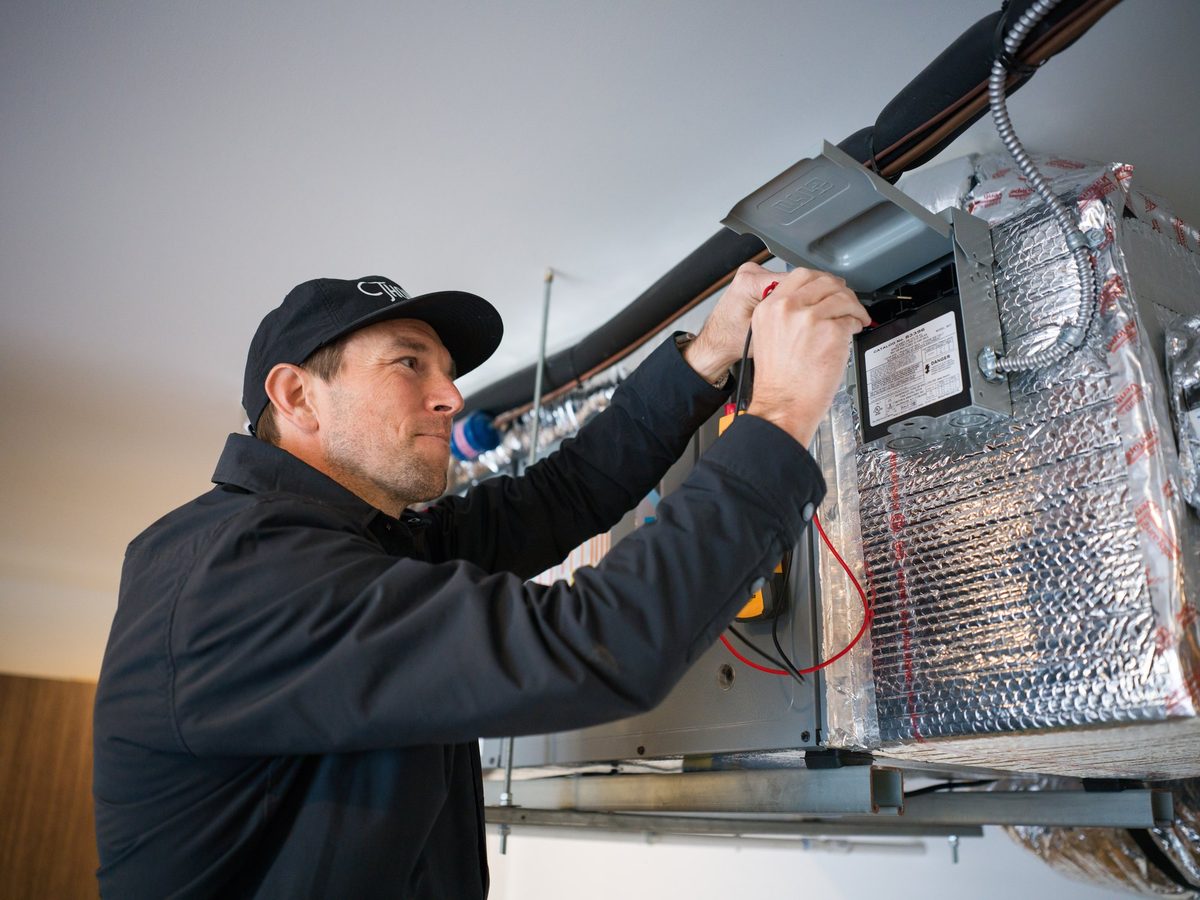
Call, text, or chat with our team. We’ll answer your questions, explain the next step, and help schedule your visit.
We Show Up On Time
Our HVAC techs respect your schedule and your home. You’ll get a call when we’re on the way.
Honest, Expert Solutions
We explain the issue in plain English, lay out your options and the costs upfront, and only recommend what you truly need.

Honest HVAC Work, Clearly Explained
We explain what we found, show you your options, and go over your 5-year labor warranty, in writing, before work begins.

Clear Recommendations
We explain the repair or installation options in plain English.

5-year labor warranty
Our labor warranty is 5 years, in writing.
Real Customers. Real Experiences.
04/05/2025
It was time to service the fan blower unit and had a pleasant experience again working with Glenn and his trainee George. I appreciated the time Glenn took to ensure George's work met the expectations that Glenn would have performed the job to. It's not often companies have seasoned experienced employees that can share their knowledge and experience with new staff. I hope Thomson keeps Glenn around for many more years!

14/05/2025
Over the years, we've used Thomson to do major HVAC construction, equipment replacement and service. They are always very thorough, knowledgeable, considerate and the prices are fair. They have a lot of experienced technicians on their team and communicating with the office is easy. We get our system serviced every 6 months (very important) and they actually offer a monthly payment plan for that. I didn't take off a star (because they do offer a fantastic service), but it is difficult if something breaks during the weekend. They won't respond until offices open on Monday. But they will get you in as soon as possible and the service is great.
13/05/2025
Very honest company and great customer service. It’s been a long time since we had our AC unit inspected and after all these years it’s still good to go and ready for summer! Ethan did a great job answering all my questions. Quick, efficient and very knowledgeable. Thanks Thomson!
15/05/2025
Ethan was great and was very helpful in helping me understand the unit. He came out the same day I called and had parts on his truck to make the repairs right then and there. Ethan was very friendly and I would recommend him and Thomson Air Conditioning to anyone in the future.
A new system, on a budget that works
Financing through Goodleap, with quick approval and repayment options to fit your budget.

100% financing available
Low monthly payments
Easy application
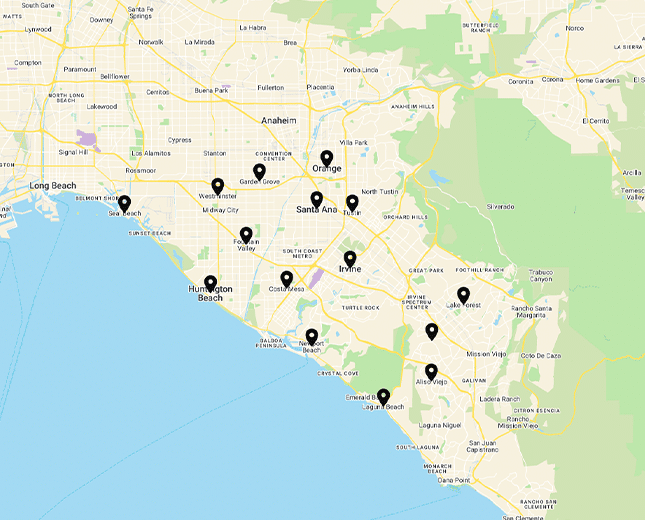
Serving Orange County Communities.